Your quick maintenance checklist
Use these tips between visits to keep your Japanese vehicle running smooth and to spot issues early.
Follow the schedule
Use the factory interval as your baseline, then adjust for short trips, heavy traffic, heat, or towing.
Check fluids monthly
Engine oil, coolant, brake fluid, and power steering (if equipped). Low or dirty fluid is an early warning sign.
Watch tire pressure
Set pressures cold and recheck with seasonal temperature changes. Proper pressure improves handling and mileage.
Rotate tires
Rotate regularly to prevent uneven wear and road noise—especially on AWD systems.
Replace filters
Cabin and engine air filters protect HVAC performance and fuel trim. Replace sooner in dusty conditions.
Brake feel matters
Vibration, squeal, or a soft pedal should be inspected quickly to avoid rotor damage.
Battery health
Slow cranking and corrosion at terminals can signal a weak battery or charging issue.
Don’t ignore lights
Check Engine, ABS, and TPMS lights store valuable data. Early diagnostics can prevent costly repairs.
Seasonal
Prep your car for the road ahead
Weather and driving patterns change how your vehicle wears. A quick seasonal check helps prevent no-starts, overheating, and uneven tire wear.
✔
Summer heat
Test coolant strength, inspect hoses, and confirm the radiator fans cycle correctly. Heat is hard on batteries and A/C performance.
✔
Cold mornings
Check battery reserve, wiper condition, and tire tread depth. Cold temps lower tire pressure and expose weak starting systems.
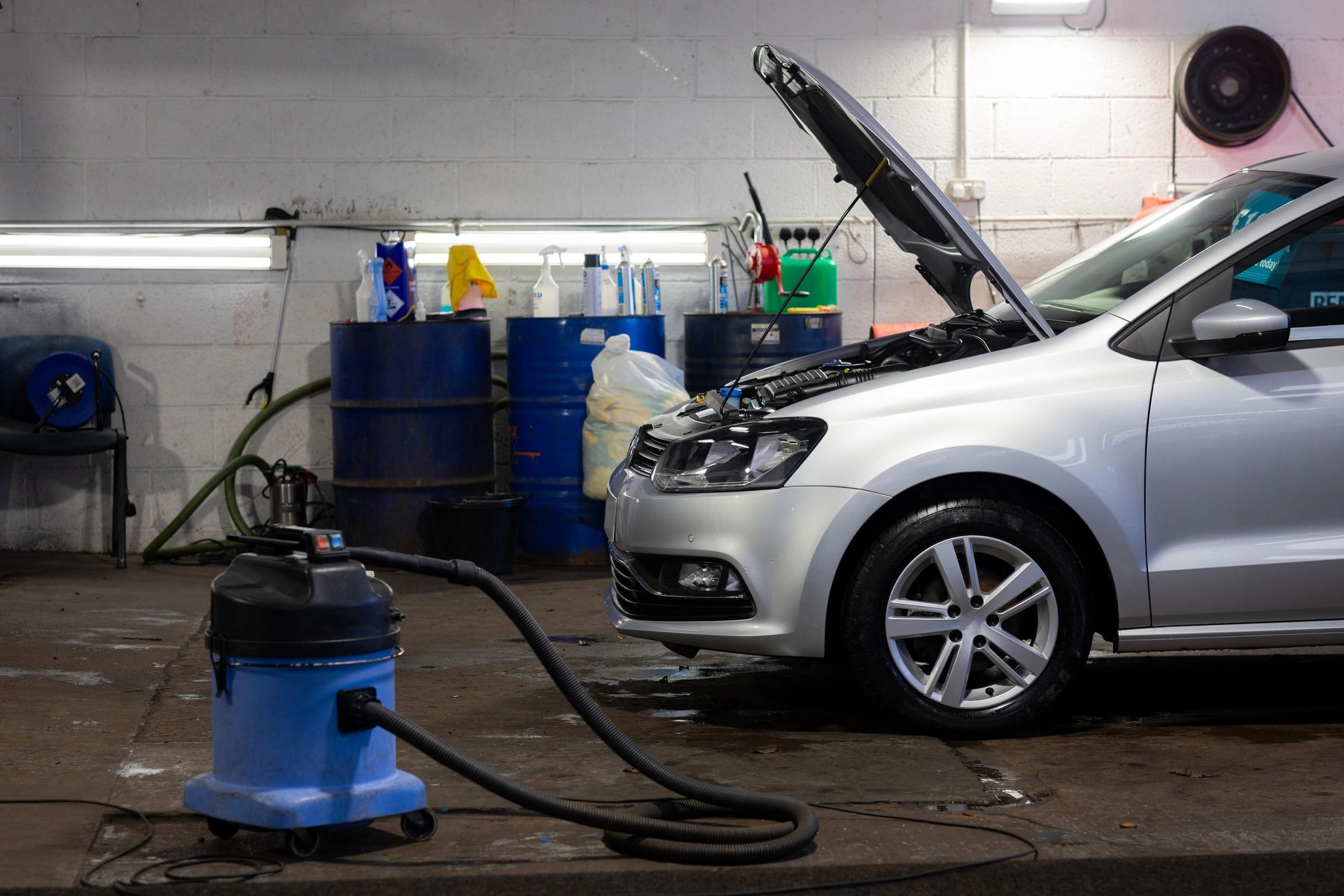
What we look for in the shop
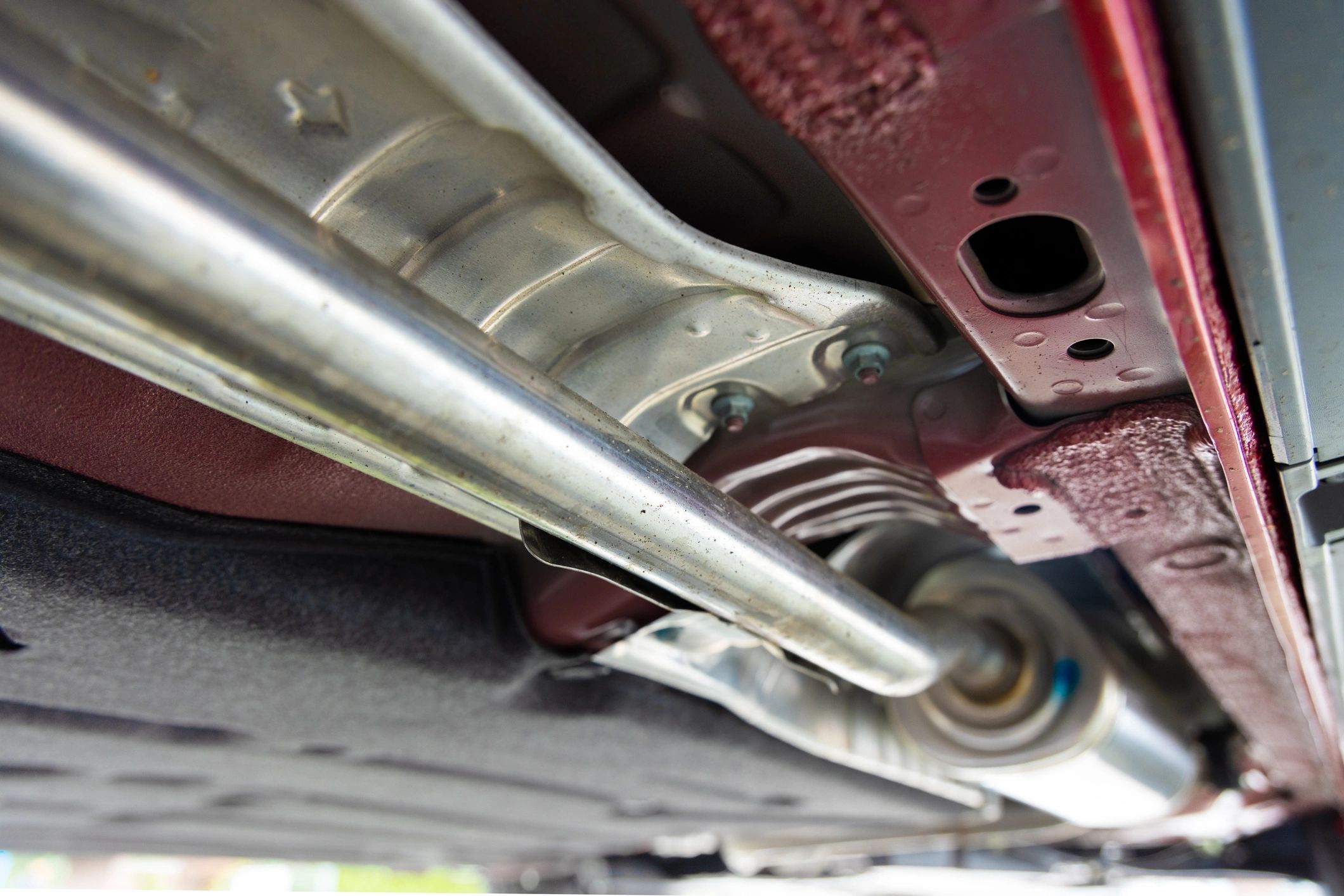
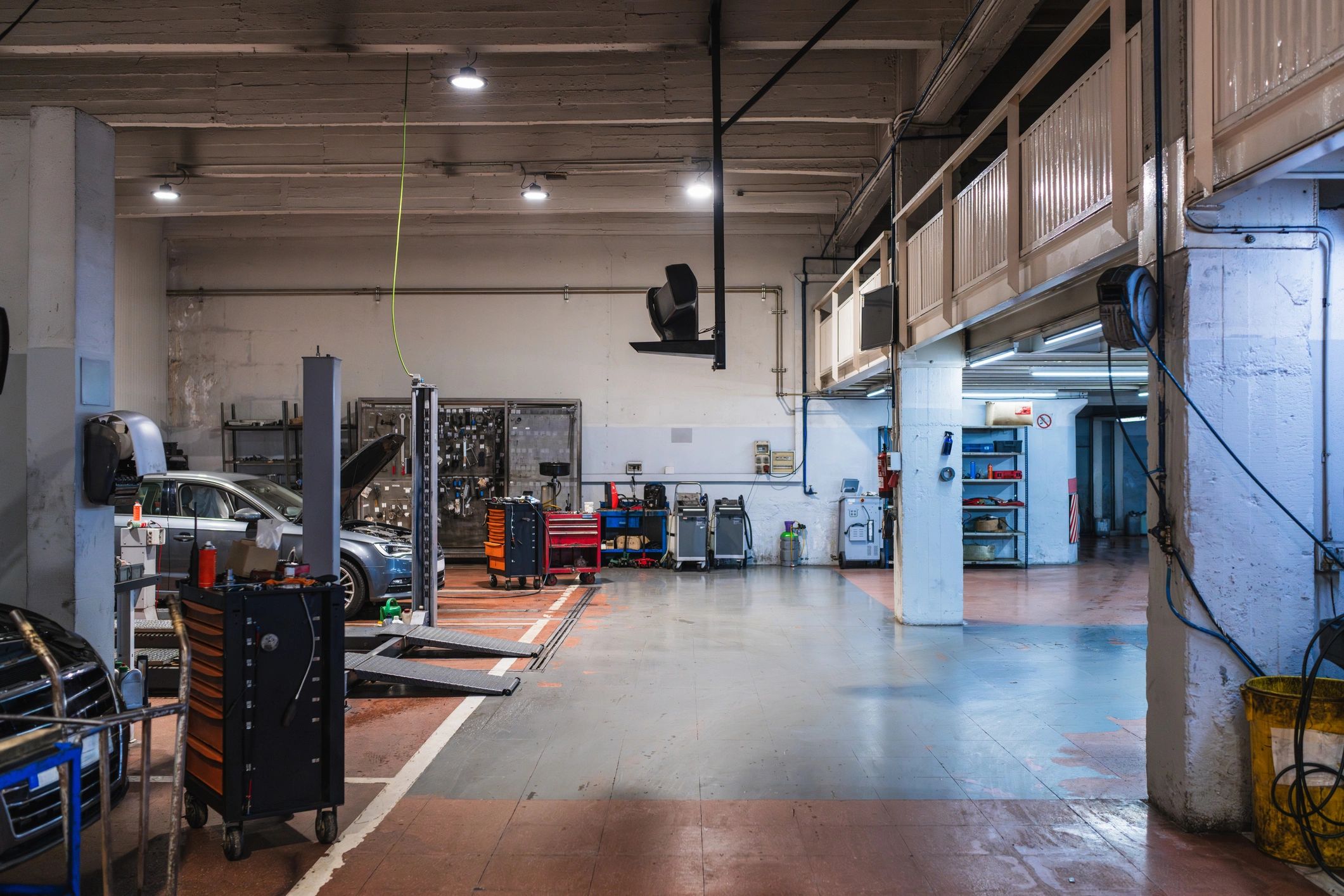
A few examples of common maintenance touchpoints we inspect on Japanese vehicles during scheduled service.
Maintenance questions
General guidance for Japanese vehicles. If you’re unsure, we’re happy to check your specific model and mileage.
How often should I change my oil?
Follow the manufacturer interval and oil type (conventional vs. synthetic). Short trips and stop-and-go driving may require more frequent changes.
Do I need OEM parts for maintenance?
For many items, OEM or OEM-equivalent quality matters most. We recommend genuine OEM parts when fit, longevity, or warranty coverage is a priority.
When should I service my transmission?
Many Japanese transmissions benefit from periodic fluid service. The right interval depends on model, driving conditions, and whether it’s a CVT.
Why is my TPMS light on?
It can indicate low pressure, a slow leak, or a sensor issue. Start by checking pressures cold, then schedule a tire inspection if it returns.
What’s included in a scheduled maintenance visit?
Typically fluid checks, filter inspection/replacement, tire rotation (when due), brake and suspension checks, and a scan for stored diagnostic codes.
Is it safe to drive with the Check Engine light on?
A steady light may be okay for a short trip, but you should schedule diagnostics soon. A flashing light can indicate misfire and potential catalytic converter damage—stop driving and call us.